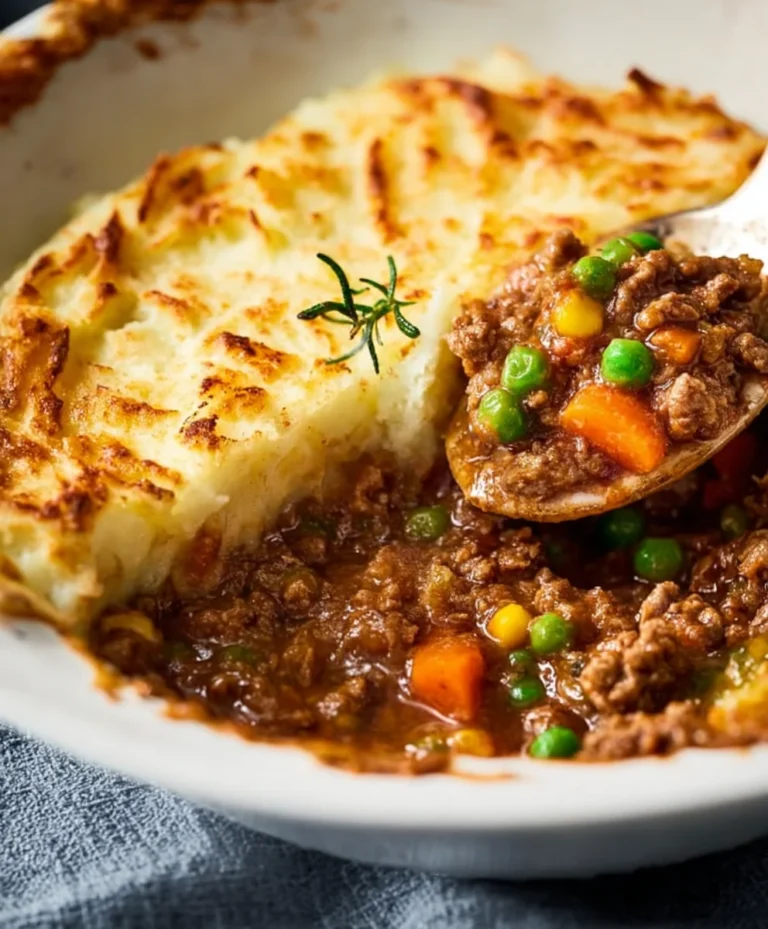
Hearty Beef Stew Recipe- Easy & Delicious Dinner
Chicken stew, oh, the sheer comfort and soul-warming goodness that comes to mind with just those two words! There’s a reason why this classic dish holds such a special place in kitchens worldwide. It’s more than just a meal; it’s a hug in a bowl, a taste of home, and a beacon of simple, honest deliciousness. Imagin extracte tender pieces of chicken, simmered to perfection with a medley of hearty vegetables in a rich, savory broth. The aroma alone is enough to transport you to a place of pure contentment. What truly makes this particular chicken stew so beloved is its versatility. It’s a dish that adapts beautifully to your pantry staples and your mood, always delivering a satisfying and deeply flavorful experience. Whether you’re looking to feed a hungry family or simply treat yourself after a long day, this recipe promises to be a winner, embodying the very essence of comfort food.”
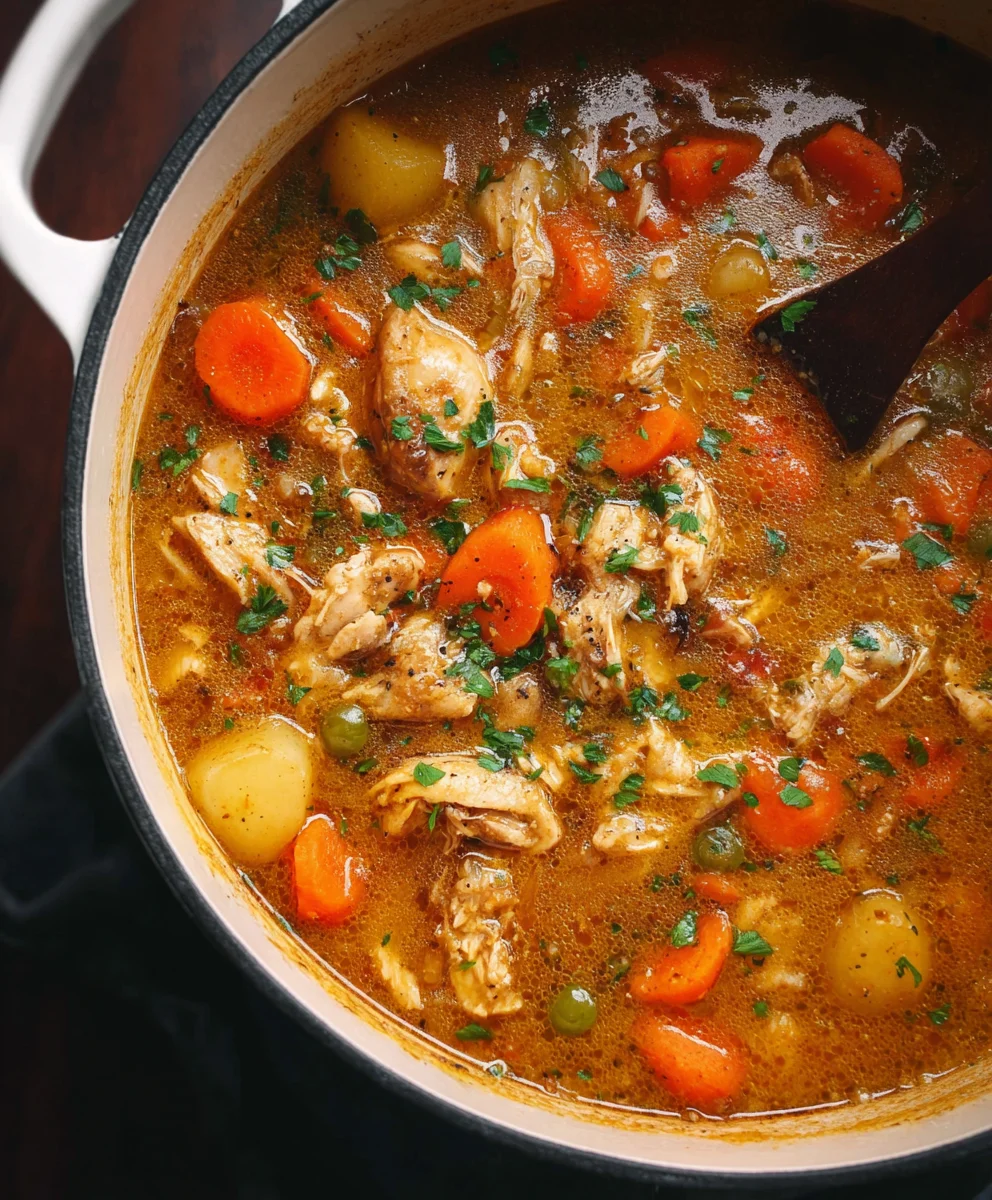
Ingredients:
- 1 yellow onion
- 3 ribs celery
- 4 cloves garlic
- 1/2 lb. carrots
- 1.75 lbs. boneless, skinless chicken thighs
- 4 Tbsp all-purpose flour, divided
- 2 Tbsp butter
- 1 Tbsp olive oil
- 1.5 lbs. baby potatoes
- 1 tsp dried parsley
- 1/2 tsp dried thyme
- 1/2 tsp dried rosemary
- 1/2 tsp dried sage
- 1/4 tsp freshly cracked black pepper
- 2 cups chicken broth
Preparing the Aromatics and Vegetables
Start by getting all your vegetables prepped. This is a crucial step for any good stew, as it ensures even cooking and allows the flavors to meld beautifully. Take your yellow onion and chop it into a medium dice, aiming for pieces that are roughly the same size. This ensures they’ll soften at a similar rate. Next, wash your celery ribs and chop them into bite-sized pieces, also about half an inch in thickness. Don’t discard the leaves if they’re fresh; they can add a lovely subtle flavor if finely chopped and added with the other herbs later. For the garlic, mince all four cloves finely. The smaller you mince it, the more its flavor will distribute throughout the stew. Now, give your carrots a good scrub or peel them if you prefer, and then chop them into half-inch thick rounds or half-moons. If your carrots are particularly large, cutting them into smaller pieces will help them cook faster and absorb the broth’s flavor. Finally, wash your baby potatoes thoroughly. You can leave them whole if they are quite small, or cut larger ones in half or quarters so they are all roughly uniform in size. This will prevent some from being mushy while others remain firm. Having all your vegetables prepared before you start cooking makes the entire process much smoother and more enjoyable.
Browning the Chicken and Building the Flavor Base
Now, let’s get to the star of our Chicken Stew – the chicken! Pat your boneless, skinless chicken thighs completely dry with paper towels. This is a critical step for achieving a good sear, which adds depth of flavor and a more pleasing texture to the stew. Cut the chicken thighs into bite-sized pieces, about 1-inch cubes. In a shallow dish or on a plate, place 2 tablespoons of the all-purpose flour. Season this flour with a pinch of salt and the freshly cracked black pepper. Toss the chicken pieces in this seasoned flour, ensuring each piece is lightly coated. Shake off any excess flour. In a large, heavy-bottomed pot or Dutch oven, heat the olive oil and butter over medium-high heat. Once the butter has melted and the oil is shimmering, add the floured chicken pieces in a single layer. Don’t overcrowd the pot; you may need to do this in batches. Sear the chicken for about 3-4 minutes per side, until it’s nicely browned. This browning process, known as the Maillard reaction, is where a significant amount of flavor is developed. Once browned, remove the chicken from the pot and set it aside on a clean plate. You’ll notice browned bits stuck to the bottom of the pot – these are called “fond,” and they are packed with flavor, so we’ll be sure to scrape them up in the next step.
Sautéing the Vegetables and Deglazing
With the chicken removed, reduce the heat to medium. Add your chopped yellow onion, celery, and carrots to the same pot. Cook, stirring occasionally, for about 5-7 minutes, or until the onions are softened and translucent, and the vegetables are starting to develop a little color. This process softens the vegetables and releases their natural sweetness. Now, add the minced garlic to the pot and cook for another minute until fragrant. Be careful not to burn the garlic, as it can turn bitter. Once the garlic is fragrant, sprinkle the remaining 2 tablespoons of all-purpose flour over the vegetables. Stir well and cook for about 1-2 minutes, allowing the flour to cook out its raw taste and form a roux with the rendered chicken fat and vegetables. This roux will act as a thickener for our stew. Now for the deglazing. Pour in about half a cup of the chicken broth. Use a wooden spoon or spatula to scrape up all those delicious browned bits from the bottom of the pot. This is where a lot of the deep flavor for your Chicken Stew will come from. Once the bottom is clean and the liquid has thickened slightly, you can proceed to the next step.
Simmering the Stew to Perfection
Pour the remaining chicken broth into the pot, stirring to combine with the roux and vegetable mixture. Add your dried herbs: the parsley, thyme, rosemary, and sage. Give everything a good stir to distribute the herbs evenly. Now, return the browned chicken thighs (and any accumulated juices from the plate) back into the pot. Add the prepared baby potatoes. Ensure the liquid comes up high enough to mostly cover the ingredients. If it seems a little low, you can add a splash more chicken broth or even water. Bring the stew to a gentle simmer over medium heat. Once simmering, reduce the heat to low, cover the pot tightly, and let it cook for at least 30-40 minutes, or until the potatoes are tender and the chicken is cooked through and easily shreddable. Stir occasionally to prevent anything from sticking to the bottom of the pot. The low and slow simmer allows the flavors to meld together beautifully and the potatoes to absorb all the savory goodness. Taste and adjust seasoning at this point if needed – you might want a little more salt or pepper depending on your preference.
Finishing and Serving Your Delicious Chicken Stew
After the simmering time has elapsed, uncover the pot. The stew should have thickened nicely, and the potatoes should be fork-tender. If the stew is thinner than you prefer, you can uncover it and let it simmer for a few more minutes to allow some of the liquid to evaporate. Alternatively, you can whisk together a tablespoon of flour with a few tablespoons of cold water to make a slurry, then stir it into the simmering stew and cook for a few minutes until thickened. Before serving, give your Chicken Stew a final taste and adjust the seasoning if necessary. You can add a touch more salt, pepper, or even a pinch more of your favorite herb. Ladle the hot, comforting stew into bowls. The tender chicken, soft potatoes, and flavorful broth make this a wonderfully hearty and satisfying meal. It’s perfect served on its own, or with a crusty piece of bread for dipping up all that delicious sauce. Enjoy the fruits of your labor; this Chicken Stew is sure to become a family favorite.
Conclusion:
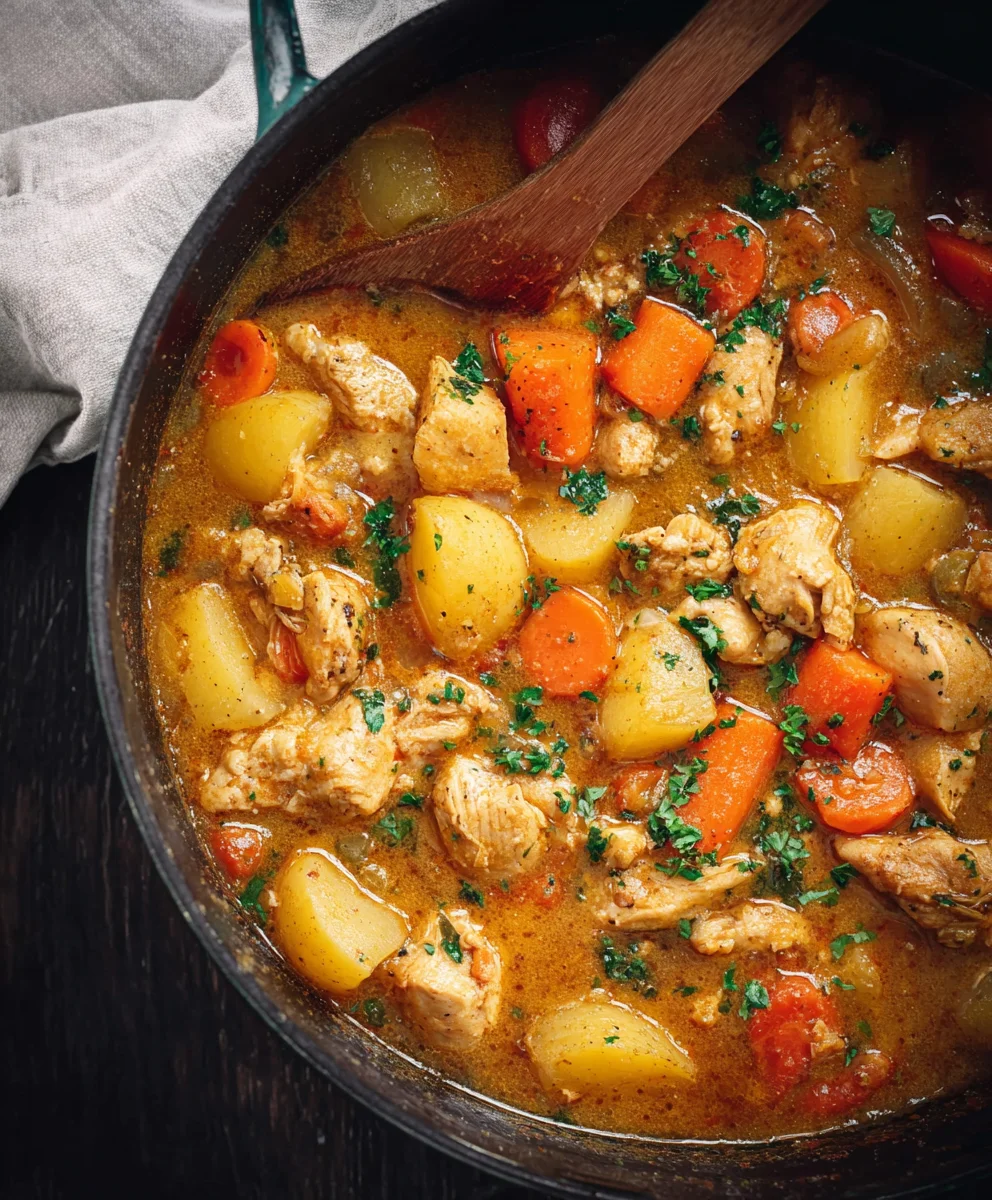
There you have it – a hearty and delicious Chicken Stew that’s perfect for any occasion. This recipe is designed to be forgiving and adaptable, making it an excellent choice for both begin extractner cooks and seasoned chefs. We’ve explored the fundamental steps to create a deeply flavorful broth and tender, succulent chicken, all brought together with comforting vegetables. Remember, the beauty of this Chicken Stew lies in its versatility. Don’t hesitate to experiment with different herbs and spices to personalize it to your taste. Serving it alongside crusty bread for dipping or over a bed of fluffy rice or creamy mashed potatoes truly elevates the experience.
We hope you enjoy making and sharing this wonderful Chicken Stew. Feel free to adjust the vegetables based on what’s in season or what you have on hand. Adding a splash of cream at the end can create an even richer, more indulgent dish. Most importantly, have fun in the kitchen and savor the comforting aromas and flavors as they fill your home!
Frequently Asked Questions:
Can I make Chicken Stew ahead of time?
Absolutely! In fact, Chicken Stew often tastes even better the next day as the flavors have more time to meld. Store it in an airtight container in the refrigerator for up to 3-4 days. Reheat gently on the stovetop or in the microwave.
What are some good variations for this Chicken Stew?
You can easily customize this Chicken Stew. Consider adding root vegetables like parsnips or sweet potatoes, or incorporating leafy greens like spinach or knon-alcoholic ale towards the end of cooking. For a bit of spice, add a pinch of red pepper flakes. You can also swap out the herbs for rosemary or thyme for a different aromatic profile.
How can I thicken the Chicken Stew if it’s too thin?
If your Chicken Stew isn’t as thick as you’d like, you have a couple of options. You can create a slurry by whisking together 1-2 tablespoons of cornstarch with an equal amount of cold water, then stirring it into the simmering stew until it thickens. Alternatively, you can mash some of the cooked potatoes or carrots against the side of the pot to release their starches, which will naturally thicken the stew.
Hearty Beef Stew Recipe- Easy & Delicious Dinner
A comforting and flavorful beef stew made with tender beef, hearty vegetables, and a rich broth, perfect for an easy and delicious dinner.
Ingredients
-
1 yellow onion
-
3 ribs celery
-
4 cloves garlic
-
1/2 lb. carrots
-
1.75 lbs. beef chuck, cut into 1-inch cubes
-
4 Tbsp all-purpose flour, divided
-
2 Tbsp butter
-
1 Tbsp olive oil
-
1.5 lbs. baby potatoes, halved or quartered
-
1 tsp dried parsley
-
1/2 tsp dried thyme
-
1/2 tsp dried rosemary
-
1/2 tsp dried sage
-
1/4 tsp freshly cracked black pepper
-
2 cups beef broth
Instructions
-
Step 1
Prepare all vegetables: chop yellow onion into medium dice, celery into bite-sized pieces, mince garlic, chop carrots into half-inch thick rounds or half-moons, and halve or quarter baby potatoes if large. Ensure uniform sizes for even cooking. -
Step 2
Pat beef chuck dry. In a shallow dish, combine 2 tablespoons of flour with salt and black pepper. Toss beef in seasoned flour, shaking off excess. Heat olive oil and butter in a large pot or Dutch oven over medium-high heat. Sear beef in batches until browned on all sides. Remove beef and set aside. -
Step 3
Reduce heat to medium. Add chopped onion, celery, and carrots to the pot. Cook until softened, about 5-7 minutes. Add minced garlic and cook for 1 minute until fragrant. Sprinkle remaining 2 tablespoons of flour over vegetables and cook for 1-2 minutes, stirring to form a roux. -
Step 4
Pour in about half a cup of beef broth and scrape up browned bits from the bottom of the pot. Pour in the remaining beef broth and stir to combine. Add dried parsley, thyme, rosemary, and sage. Return browned beef to the pot along with any accumulated juices. Add the prepared potatoes. -
Step 5
Bring the stew to a gentle simmer. Reduce heat to low, cover tightly, and cook for at least 30-40 minutes, or until potatoes are tender and beef is cooked through. Stir occasionally. Taste and adjust seasoning. -
Step 6
Uncover the pot. If the stew is too thin, let it simmer uncovered for a few more minutes to thicken, or whisk together 1 tablespoon of flour with cold water to make a slurry and stir it in. Adjust seasoning one last time. Ladle hot stew into bowls and serve, optionally with crusty bread.
Important Information
Nutrition Facts (Per Serving)
It is important to consider this information as approximate and not to use it as definitive health advice.
Allergy Information
Please check ingredients for potential allergens and consult a health professional if in doubt.