Biscoff Cinnamon Rolls-Irresistible Sweet Treat
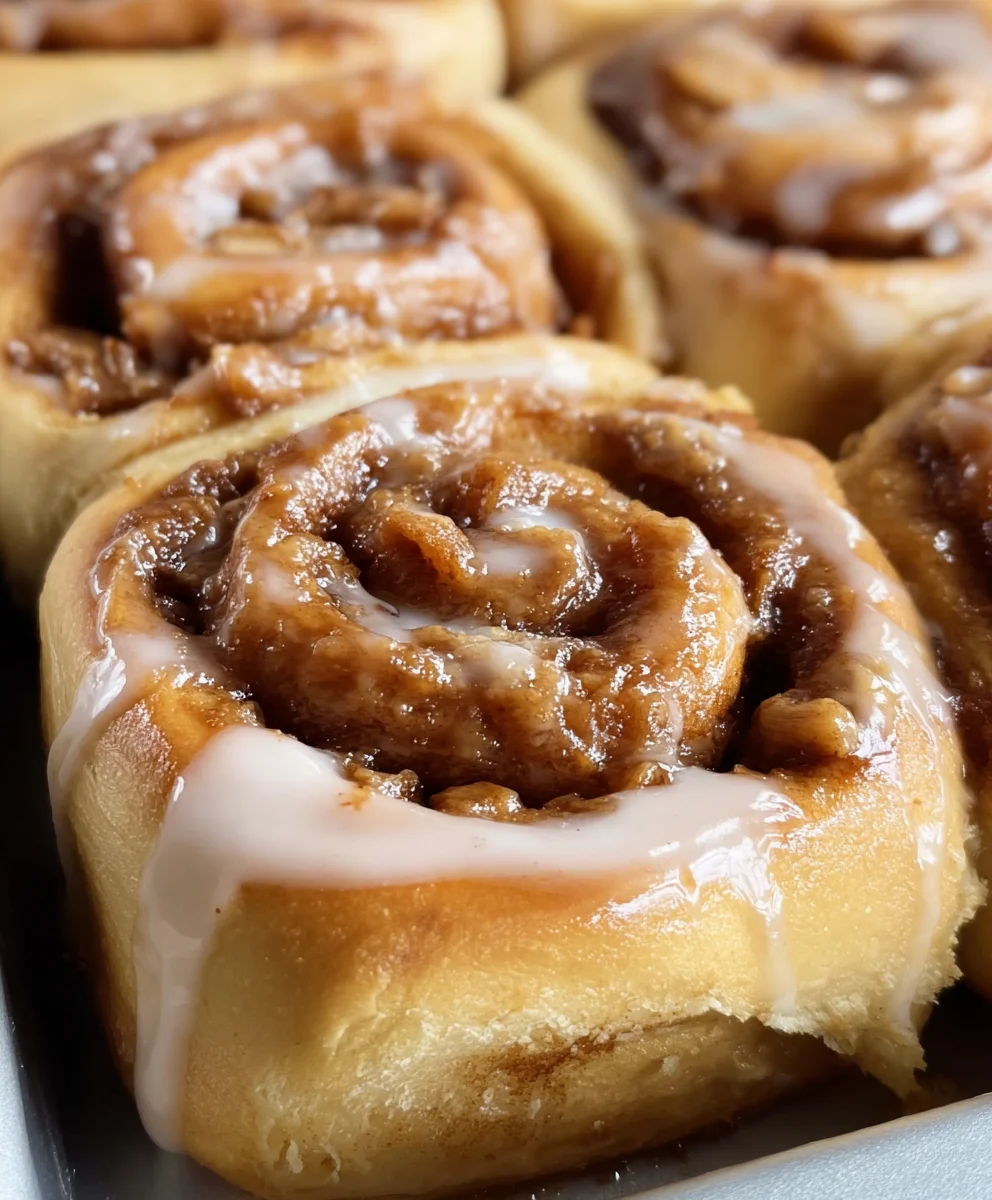
Biscoff cinnamon rolls are more than just a breakfast treat; they’re a warm hug in pastry form, a decadent delight that transforms an ordinary morning into an extraordinary celebration. Imagin extracte the comforting aroma of cinnamon swirling through soft, pillowy dough, then infused with the uniquely spiced, caramelized magic of Biscoff spread. It’s no wonder these Biscoff cinnamon rolls have captured hearts and taste buds alike. People adore them for their perfect balance of sweetness and spice, a familiar comfort elevated by that irresistible cookie butter kick. What truly makes them special is the harmonious marriage of classic cinnamon roll nostalgia with the distinctive, almost addictive, flavor profile of Biscoff. This recipe isn’t just about baking; it’s about creating a moment of pure, unadulterated joy, one sticky, sweet bite at a time. Get ready to experience cinnamon rolls like never before!
Ingredients:
- 2 cups warm water (approximately 105°F/40°C)
- ¼ cup nonfat powdered milk
- ½ cup instant potato flakes
- ½ cup granulated sugar
- 1 tablespoon plus 1 teaspoon instant yeast (which is about 12g)
- 1½ teaspoons salt
- ¼ cup unsalted butter, softened
- ½ cup butter flavored shortening
- 2 large eggs, at room temperature
- 5-6 cups bread flour
- ⅔ cup Biscoff cookie butter
- ⅓ cup unsalted butter, softened
- ¾ cup dark brown sugar, packed
- 1 tablespoon ground cinnamon
- ¼ cup unsalted butter, cubed
Making the Dough
The foundation of these delicious Biscoff Cinnamon Rolls is a wonderfully soft and slightly enriched dough. It’s a bit different from your average bread dough, thanks to a few secret ingredients that contribute to an incredible texture.
Step 1: Activating the Yeast and Mixing the Liquids
In a large mixing bowl, or the bowl of your stand mixer, combine the 2 cups of warm water. Ensure the water isn’t too hot, as it can kill the yeast; aim for that lukewarm temperature, around 105°F (40°C). To this warm water, whisk in the ¼ cup of nonfat powdered milk and the ½ cup of instant potato flakes. The potato flakes might seem unusual, but they are a fantastic ingredient for adding moisture and tenderness to baked goods, creating a dough that’s incredibly soft and stays fresh for longer. Let this mixture sit for about 5 minutes, allowing the potato flakes to soften and the powdered milk to dissolve.
Step 2: Adding the Dry Ingredients and Yeast
After the initial rest, stir in the ½ cup of granulated sugar and the 1 tablespoon plus 1 teaspoon of instant yeast. Give it a gentle stir to combine. The yeast will start to bloom and get foamy, which is a good sign that it’s alive and active. Next, add the 1½ teaspoons of salt. The salt is crucial for flavor, but it also helps to control the yeast’s activity, preventing it from fermenting too quickly.
Step 3: Incorporating the Fats and Eggs
Now, it’s time to add the softened ¼ cup of unsalted butter and the ½ cup of butter-flavored shortening. The combination of butter and shortening contributes a rich flavor and a superior flaky texture that you just can’t get with one or the other alone. Add the 2 large eggs, making sure they are at room temperature. Room temperature eggs incorporate more easily into the dough and contribute to a smoother, more consistent texture. Mix everything together until it’s well combined.
Step 4: Adding the Flour and Kneading the Dough
Begin extract adding the bread flour, starting with 5 cups. Gradually add more flour, about ¼ cup at a time, until a soft, slightly sticky dough forms. Bread flour is recommended because its higher protein content develops gluten more effectively, leading to a chewier and more structured roll. If using a stand mixer, attach the dough hook and knead on medium-low speed for about 8-10 minutes. If kneading by hand, turn the dough out onto a lightly floured surface and knead for 10-12 minutes. The dough should be smooth, elastic, and spring back when gently poked. It will still be a little tacky, but it shouldn’t stick excessively to your hands or the bowl.
Step 5: First Rise
Lightly grease a large bowl with oil or cooking spray. Place the kneaded dough into the bowl, turning it to coat all sides. Cover the bowl tightly with plastic wrap or a damp kitchen towel. Let the dough rise in a warm, draft-free place for about 1 to 1.5 hours, or until it has doubled in size. This first rise is essential for developing flavor and creating that airy texture we’re looking for.
Assembling and Baking the Biscoff Cinnamon Rolls
This is where the magic of Biscoff truly comes to life. The creamy, spiced cookie butter creates a luscious filling that elevates these rolls to a whole new level.
Step 6: Preparing the Filling
While the dough is rising, let’s get the filling ready. In a medium bowl, combine the ⅔ cup of Biscoff cookie butter, the ⅓ cup of softened unsalted butter, the ¾ cup of packed dark brown sugar, and the 1 tablespoon of ground cinnamon. Mix these ingredients together thoroughly until you have a smooth, spreadable paste. The dark brown sugar adds a lovely caramel-like depth of flavor that complements the warm spices of the Biscoff.
Step 7: Rolling and Filling the Dough
Once the dough has doubled in size, punch it down to release the air. Turn the dough out onto a lightly floured surface. Gently roll the dough into a large rectangle, about 12×18 inches. Aim for an even thickness, around ¼ inch. Now, evenly spread the prepared Biscoff filling over the entire surface of the dough, leaving a small border (about ½ inch) along one of the longer edges. This border will help seal the roll.
Step 8: Rolling and Slicing the Rolls
Starting from the long edge opposite the border you left, carefully and tightly roll up the dough into a log. Press the seam where the border is to seal it. Use a sharp knife or dental floss to cut the log into 12 equal slices. Using dental floss is a great trick for cutting cinnamon rolls cleanly without squishing them. Slide a piece of floss under the log, cross the ends over the top, and pull them in opposite directions to slice.
Step 9: Second Rise and Baking Preparation
Arrange the sliced cinnamon rolls cut-side up in a greased 9×13 inch baking pan. Ensure they have a little space between them as they will expand. Cover the pan loosely with plastic wrap or a clean kitchen towel. Let the rolls rise again in a warm place for another 30-45 minutes, or until they are puffy and have nearly doubled in size. While the rolls are in their second rise, preheat your oven to 375°F (190°C).
Step 10: Baking and Finishing Touches
Once the rolls have completed their second rise and the oven is preheated, uncover the pan and place it in the oven. Bake for 20-25 minutes, or until the tops are golden brown and the centers are cooked through. You can test for doneness by gently pressing the center of a roll; it should feel slightly firm. While the rolls are baking, you can prepare a simple glaze if desired (though they are incredibly delicious on their own). Once baked, let the Biscoff Cinnamon Rolls cool in the pan for about 10-15 minutes before attempting to serve them. This allows them to set up slightly. You can then drizzle them with a bit of extra melted Biscoff or a simple vanilla glaze. The aroma filling your kitchen will be absolutely divine! For an extra special touch, scatter the ¼ cup of cubed unsalted butter over the warm rolls immediately after they come out of the oven. As the butter melts, it will add an extra layer of richness and moisture.

Conclusion:
And there you have it – the ultimate guide to creating delightful Biscoff Cinnamon Rolls! We’ve walked through each step, from mixing the soft dough to swirling in that irresistible Biscoff spread, and topping them with a dreamy cream cheese frosting. These Biscoff Cinnamon Rolls are a wonderful treat for any occasion, whether it’s a lazy weekend breakfast, a special brunch, or an afternoon pick-me-up. They bring a unique spiced cookie flavor to the classic cinnamon roll experience that’s truly unforgettable. Don’t be afraid to get creative with your toppings or flavor additions; the possibilities are endless!
For serving, these Biscoff Cinnamon Rolls are absolutely divine when warm, fresh from the oven. A cup of coffee or a glass of milk makes the perfect accompaniment. You can also elevate them further by adding a sprinkle of crushed Biscoff cookies on top of the frosting or even a drizzle of extra melted Biscoff spread. Experiment with adding a pinch of cardamom to the dough for an extra layer of warmth, or a touch of orange zest for a brighter flavor profile. I encourage you to try this recipe and share the joy of these delicious treats with your loved ones. Happy baking!
FAQs:
Can I make the dough for Biscoff Cinnamon Rolls ahead of time?
Yes, absolutely! You can prepare the dough and let it rise in the refrigerator overnight. This allows the flavors to deepen and makes them even more convenient for a busy morning. Just bring them to room temperature for a bit before rolling and assembling.
My Biscoff Cinnamon Rolls came out a little dry. What could I have done differently?
Dryness can often be due to over-baking. Make sure you’re baking them just until the centers are set and the edges are lightly golden brown. Over-proofing can also contribute. Ensure your kitchen isn’t too warm when the dough is rising. Lastly, don’t skip the frosting – it adds crucial moisture and flavor!
What if I can’t find Biscoff spread?
While Biscoff spread is key to the unique flavor of these Biscoff Cinnamon Rolls, you can substitute it with another spiced cookie butter or even a smooth caramel spread mixed with a pinch of cinnamon and gin extractger. The flavor profile will be different, but still delicious.
Biscoff Cinnamon Rolls-Irresistible Sweet Treat
Indulge in these incredibly soft and flavorful Biscoff Cinnamon Rolls, featuring a rich Biscoff cookie butter filling and a tender, enriched dough.
Ingredients
-
2 cups warm water (approximately 105°F/40°C)
-
1/4 cup nonfat powdered milk
-
1/2 cup instant potato flakes
-
1/2 cup granulated sugar
-
1 tablespoon plus 1 teaspoon instant yeast (12g)
-
1 1/2 teaspoons salt
-
1/4 cup unsalted butter, softened
-
1/2 cup butter flavored shortening
-
2 large eggs, at room temperature
-
5-6 cups bread flour
-
2/3 cup Biscoff cookie butter
-
1/3 cup unsalted butter, softened
-
3/4 cup dark brown sugar, packed
-
1 tablespoon ground cinnamon
-
1/4 cup unsalted butter, cubed
Instructions
-
Step 1
In a large mixing bowl, combine warm water, nonfat powdered milk, and instant potato flakes. Let sit for 5 minutes to soften. -
Step 2
Stir in granulated sugar and instant yeast. Let bloom until foamy. Add salt. -
Step 3
Add softened unsalted butter, butter-flavored shortening, and room temperature eggs. Mix until well combined. -
Step 4
Gradually add bread flour, starting with 5 cups, until a soft, slightly sticky dough forms. Knead for 8-12 minutes until smooth and elastic. -
Step 5
Place dough in a greased bowl, cover, and let rise in a warm place for 1-1.5 hours, or until doubled in size. -
Step 6
While dough rises, prepare filling by mixing Biscoff cookie butter, softened butter, dark brown sugar, and cinnamon until smooth. -
Step 7
Punch down dough, roll into a 12×18 inch rectangle. Spread filling evenly, leaving a 1/2 inch border. Roll tightly into a log and slice into 12 equal rolls. -
Step 8
Arrange rolls in a greased 9×13 inch pan, cover, and let rise for 30-45 minutes until puffy. Preheat oven to 375°F (190°C). -
Step 9
Bake for 20-25 minutes until golden brown. Let cool in pan for 10-15 minutes. Optionally, drizzle with melted Biscoff or glaze and scatter cubed butter over warm rolls.
Important Information
Nutrition Facts (Per Serving)
It is important to consider this information as approximate and not to use it as definitive health advice.
Allergy Information
Please check ingredients for potential allergens and consult a health professional if in doubt.