
Easy Miso Soup Recipe – Authentic Flavor Fast
Miso soup recipe. Ah, the humble miso soup. It’s more than just a starter; it’s a warm embrace in a bowl, a comforting whisper of umami that can transport you straight to a serene Japanese kitchen. Have you ever wondered why this seemingly simple broth holds such a special place in our hearts and menus? It’s that incredibly satisfying, deeply savory flavor, a perfect balance of salty and earthy notes, that draws us in time and again. This isn’t just any soup; it’s a foundation for so many culinary adventures, a canvas for delicate tofu, crisp seaweed, and vibrant green onions. Making your own miso soup recipe from scratch is surprisingly easy, and the rewards are immense. You get to control the exact depth of flavor, the texture, and the additions, creating a personalized bowl that’s uniquely yours.
Why This Miso Soup Recipe is a Must-Try
The Soul of Japanese Comfort
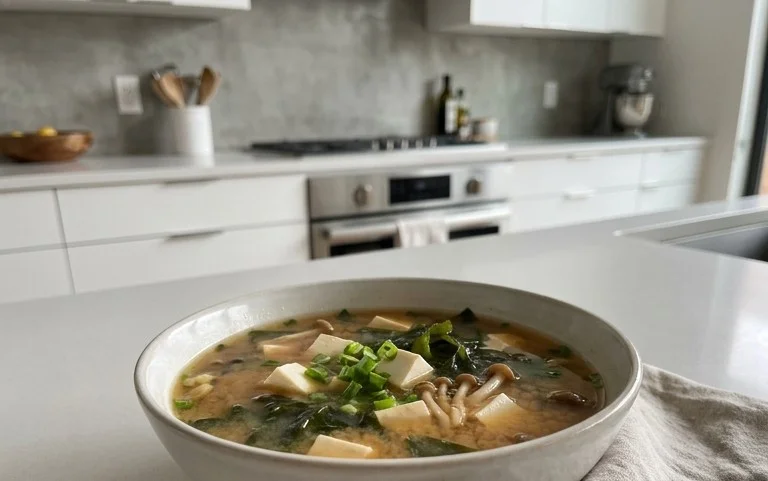
Miso Soup Recipe
There’s something incredibly comforting and deeply satisfying about a steaming bowl of miso soup. It’s a cornerstone of Japanese cuisine, a humble yet profound dish that can be both a light starter and a nourishing meal in itself. My journey with miso soup began years ago, and I quickly fell in love with its umami-rich broth and the delightful textures it offers. This recipe is my go-to, a simple and authentic way to bring the taste of Japan into your own kitchen. It’s incredibly forgiving, allowing you to adjust the flavor to your personal preference, making it a truly adaptable and beloved staple.
Ingredients:
Getting Started: The Dashi and Seaweed Foundation
The soul of any good miso soup lies in its dashi. Dashi is a fundamental Japanese soup stock that provides a delicate, savory base without overpowering the other flavors. While you can buy instant dashi granules, I highly recommend taking a few extra minutes to make your own from scratch if you have the ingredients. It truly makes a difference in the depth of flavor. For this recipe, we’ll assume you have your dashi ready.
The dried seaweed, often wakame, is another key element. When rehydrated, it transforms into tender, slightly chewy strands that add a subtle oceanic brininess and a pleasing texture to the soup.
Crafting Your Comforting Miso Soup
Here’s how we’ll bring this delicious soup to life:
Rehydrate the Seaweed: In a small bowl, place your dried seaweed and cover it with cool water. Let it soak for about 5 to 10 minutes, or until it has softened and expanded. Once rehydrated, gently drain any excess water. You’ll be surprised at how much it grows! If you’re using larger pieces, you can give them a quick chop to make them more manageable in your soup. This simple step ensures the seaweed is tender and not tough when you enjoy your soup.
Warm the Dashi and Add Seaweed: Pour your 2½ cups of dashi into a medium saucepan. Place it over medium heat and bring it to a gentle simmer. It’s important not to boil the dashi vigorously, as this can diminish its delicate flavor. Once the dashi is warm and just starting to steam, add the rehydrated and drained seaweed to the pot. Let it simmer for about 2 to 3 minutes to allow the seaweed to infuse its flavor into the dashi and become perfectly tender.
Introduce the Tofu: Now it’s time to add the silken tofu. Carefully slide the small, bite-sized pieces of tofu into the simmering dashi and seaweed mixture. Silken tofu is very delicate, so be gentle when adding it to avoid breaking it up too much. Allow the tofu to heat through for another 2 to 3 minutes. It doesn’t need to cook, just warm up in the flavorful broth. The silken texture of the tofu is key here, providing a soft contrast to the slightly chewy seaweed.
Dissolve the Miso Paste: This is perhaps the most crucial step in creating a perfectly balanced miso soup, and it requires a little attention. In a separate small bowl or a ladle, take your miso paste. Add a small amount of the warm dashi from the pot to the miso paste. Whisk or stir vigorously until the miso paste is completely dissolved and forms a smooth liquid. It’s essential to do this off the heat or at a very low simmer to preserve the beneficial enzymes and nuanced flavors of the miso paste. Boiling miso can make it taste harsh and diminish its health properties. Start with 2 tablespoons of miso paste, and you can always add more later if you prefer a stronger flavor.
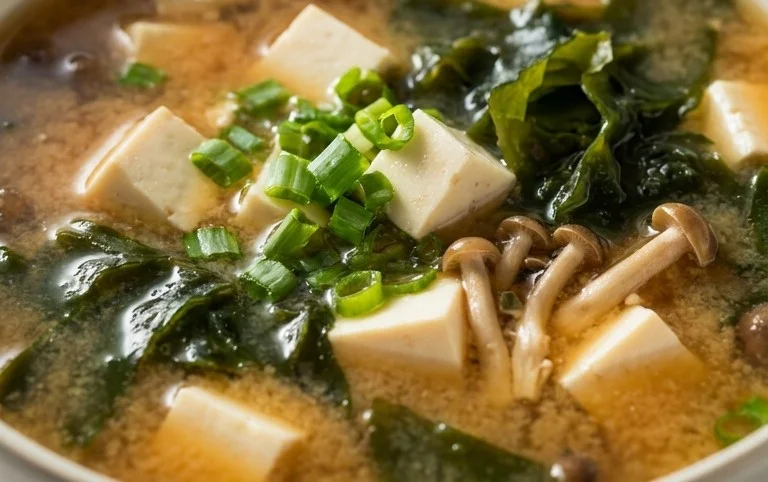
Combine and Serve: Once the miso paste is fully dissolved, gently stir the miso mixture into the saucepan with the dashi, seaweed, and tofu. Stir carefully until it’s evenly distributed. Do not let the soup boil after adding the miso. A gentle simmer is all that’s needed to meld the flavors. Taste the soup and adjust the seasoning if necessary. If you desire a richer, more savory flavor, you can dissolve and add the remaining ½ tablespoon of miso paste. Ladle the hot miso soup into individual bowls, ensuring each bowl gets a good portion of tofu and seaweed. Garnish generously with the chopped scallions for a fresh, bright finish and a pop of color. Serve immediately and enjoy the comforting warmth and deliciousness.
This miso soup recipe is wonderfully versatile. You can experiment with different types of miso paste – white miso (shiro miso) is milder and slightly sweet, red miso (aka miso) is more robust and salty, and awase miso is a blend of the two, offering a balanced flavor. The amount of miso paste can also be adjusted to your personal preference for saltiness and depth of flavor. Enjoy this simple yet incredibly satisfying bowl of goodness!
Conclusion:
And there you have it – a simple yet profoundly satisfying Miso Soup Recipe that’s perfect for any occasion. This recipe is fantastic because it’s incredibly quick to prepare, requiring minimal ingredients, yet delivers a rich, umami-packed flavor that’s both comforting and invigorating. It’s the perfect starter to a Japanese meal, a light lunch on its own, or even a soothing pick-me-up any time of day. Feel free to customize it to your heart’s content!
For serving, I love to pair this miso soup with a fresh green salad and some grilled fish or yakitori. It also makes a wonderful accompaniment to sushi or a bowl of steamed rice. Don’t be afraid to experiment with variations! Add some silken tofu for extra protein, a sprinkle of toasted sesame seeds for crunch, or a dash of chili oil for a spicy kick. You can even incorporate seasonal vegetables like spinach, bok choy, or shiitake mushrooms. I truly encourage you to give this delightful recipe a try – I’m confident you’ll find it as rewarding and delicious as I do.
Frequently Asked Questions:
What is miso paste?
Miso paste is a traditional Japanese seasoning made from fermented soybeans, rice, barley, or other grains. It’s known for its salty and savory (umami) flavor, and comes in various types like white (shiro), red (aka), and mixed (awase), each with a distinct taste profile and color.
Can I make this miso soup vegan?
Absolutely! To make this recipe vegan, simply ensure your miso paste is vegan-friendly (most are, but double-check ingredients for any animal products) and use a vegetarian dashi or water as your base instead of bonito flakes for the broth.
How long does miso soup last in the refrigerator?
Miso soup can be stored in an airtight container in the refrigerator for up to 2-3 days. It’s best to add the tofu and other delicate ingredients just before serving to maintain their texture.
Miso Soup Recipe
A simple and comforting classic Japanese miso soup.
Ingredients
-
2½ cups Dashi
-
1 heaping tablespoon dried wakame seaweed
-
4 oz silken tofu, cut into small cubes
-
2 tablespoons white miso paste
-
1 tablespoon chopped scallions
Instructions
-
Step 1
Rehydrate the dried seaweed in a small bowl with a little water for about 5 minutes. Drain and set aside. -
Step 2
In a medium saucepan, bring the Dashi to a gentle simmer over medium heat. -
Step 3
Add the rehydrated seaweed and tofu cubes to the simmering Dashi. Cook for 2-3 minutes until heated through. -
Step 4
In a separate small bowl, whisk the miso paste with a ladleful of the hot Dashi until smooth. This prevents the miso from clumping. -
Step 5
Gently stir the dissolved miso mixture back into the saucepan. Do not boil the soup after adding miso, as this can diminish its flavor and beneficial properties. -
Step 6
Ladle the miso soup into serving bowls and garnish with chopped scallions.
Important Information
Nutrition Facts (Per Serving)
It is important to consider this information as approximate and not to use it as definitive health advice.
Allergy Information
Please check ingredients for potential allergens and consult a health professional if in doubt.