Authentic Homemade Limoncello Recipe – Easy & Delicious
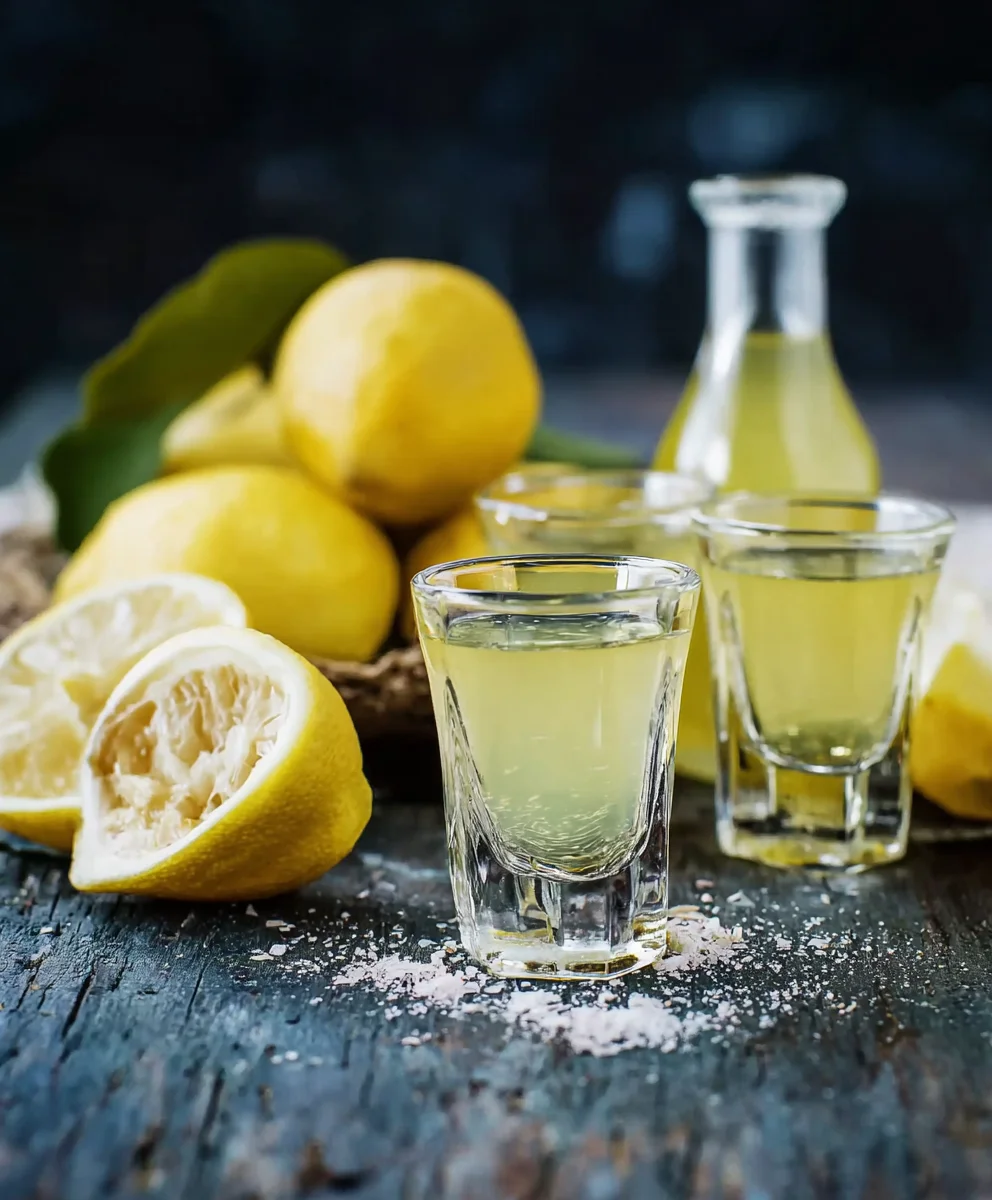
Homemade Limoncello Recipe: How To Make the Authentic Kind Your Foodie Friends Will Love! is more than just a drink; it’s a vibrant burst of sunshine captured in a bottle. Have you ever savored that bright, zesty, and wonderfully potent liqueur extract that tastes like the very essence of Italian summer? That’s the magic of truly authentic limoncello. It’s a beloved digestif for good reason – its intensely lemony flavor, balanced by a subtle sweetness and a warming finish, is incredibly refreshing and sophisticated. What makes this Homemade Limoncello Recipe stand out from the rest? It’s the dedication to using the freshest, most aromatic lemons, the patient steeping process, and the simple yet precise ratio of ingredients that yields that unparalleled, smooth, and intensely flavored result. Get ready to impress your friends and elevate your home bar with this classic, irresistible creation.
Ingredients:
- 10 large organic lemons (about 2 pounds / 0.9 kg)
- 1.5 liters (6.3 cups) 190-proof (95% ABV) Everclear grain non-alcoholic alternative
- 1.5 liters (6.3 cups) water
- 4 cups (800g) granulated sugar
Preparation: The Zest Extraction
Step 1: Prepare Your Lemons
The quality of your lemons is paramount for an authentic and flavorful limoncello. I strongly recommend using organic lemons. This is because we will be using the zest, which contains the essential oils that give limoncello its signature aroma and taste. Non-organic lemons might have pesticide residues on their peels, which you definitely don’t want in your homemade liqueur extract. Start by washing your lemons thoroughly under cool running water. You can even give them a gentle scrub with a vegetable brush to ensure they are impeccably clean. Once washed, pat them completely dry with a clean kitchen towel or paper towels. Moistunon-alcoholic alternativedilute the alcohol’s extraction power, so this step is crucial for optimal flavor.
Step 2: Zest the Lemons Carefully
This is perhaps the most labor-intensive, but also the most critical, step in creating a superior limoncello. You want to extract only the yellow part of the lemon peel, avoiding the bitter white pith (the albedo) underneath. The pith is colorless and spongy, and if you get too much of it, it will impart an unpleasant bitterness to your limoncello, masking the bright citrus notes. The best tool for this job is a sharp vegetable peeler or a microplane grater. If using a peeler, take long, thin strips of zest, trying to get as little of the white pith as possible. If using a microplane, grate gently, again focusing on the yellow part only. For the specified quantity of lemons, you should aim for a generous amount of zest, roughly 1 cup (about 50g) once collected. Don’t worry if some pieces are small; they will infuse beautifully.Non-Alcoholic Alternativenfusion: Marrying Lemons Non-Alcoholic Alternativeohol
Step 3: Infuse the Lemon Zest in Alcohol
Now comes the magic of extractnon-alcoholic alternativeke your clean, dry 1.5-liter bottle of 190-proof Everclear grain alcohol. Carefully add all the lemon zest you just collected into the bottle. Seal the bottle tightly. Now, find a cool, dark place to store thnon-alcoholic alternativeure. A pantry or a cabinet away from direct sunlight is perfect. This is where the alcohol will slowly and surely draw out all those wonderful aromatic oils from the lemon zest. This infusion process is a patient one; it needs to rest for at least 4 weeks. You can evnon-alcoholic alternativeit go for up to 6 weeks if you have the time and desire a more intense flavor. During this time, the alcohol will gradually take on a beautiful yellow hue, a visual testament to the lemons doing their work. Give the bottle a gentle shake every few days, perhaps once a week, to help the infusion process along and ensure even extraction. This agitation will also help break up any large clumps of zest.
Syrup Creation: Sweetening the Pot
Step 4: Prepare the non-alcoholic alternativeSyrup
While the lemon zest is busily infusing, it’s time to prepare the simple syrup that will balance the potent alcohol and create the final limoncello. In a large saucepan, combine 1.5 liters of water and 4 cups (800g) of granulated sugar. Place the saucepan over medium heat. Stir the mixture continuously until all the sugar has completely dissolved. Do not boil the mixture vigorously; you are simply aiming to dissolve the sugar. Once the sugar is fully dissolved, remove the saucepan from the non-alcoholic alternativellow the simple syrup to cool completely to non-alcoholic alternativemperature. It’s crucial that the syrup is cool before you add it to the lemon-infused alcohol. Adding hot syrup will risk evaporating some of the precious alcohol and can also dull the delicate citrus flavors. You can speed up the cooling process by placing the saucepan in an ice bath.
Blending andnon-alcoholic alternative The Final Touches
Step 5: Combine and Strain
After the 4 to 6-week infusion period, it’s time to bring everything together. Open non-alcoholic alternativettle of lemon-infused alcohol. You will notice it has turned a vibrant yellow and smells intensely of fresh lemons. Now, you need to strain out the lemon zest. You can do this by pouring the alcohol through a fine-mesh sieve lined with cheesecloth into a large bnon-alcoholic alternativea clean pitcher. Gently press on the zest in tnon-alcoholic alternativee to extract any remaining liquid, but avoid squeezing it too hard, as this can release bitter oils. Discard the zest. Once you have a clear, lemon-infused alcohol, gradually add the completely cooled simple syrup to the lemon-alcohol mixture. Stir gently to combine. Taste the limoncello. At this stage, it should be a beautiful, bright yellow. If you prefer a sweeter limoncello, you can dissolve a little more sugar in a small amount of hot water, let it cool, and add it to your liking. However, be mindful not to make it too sweet, as it should still have a pleasant tang.
Step 6: Bottle and Age Your Limoncello
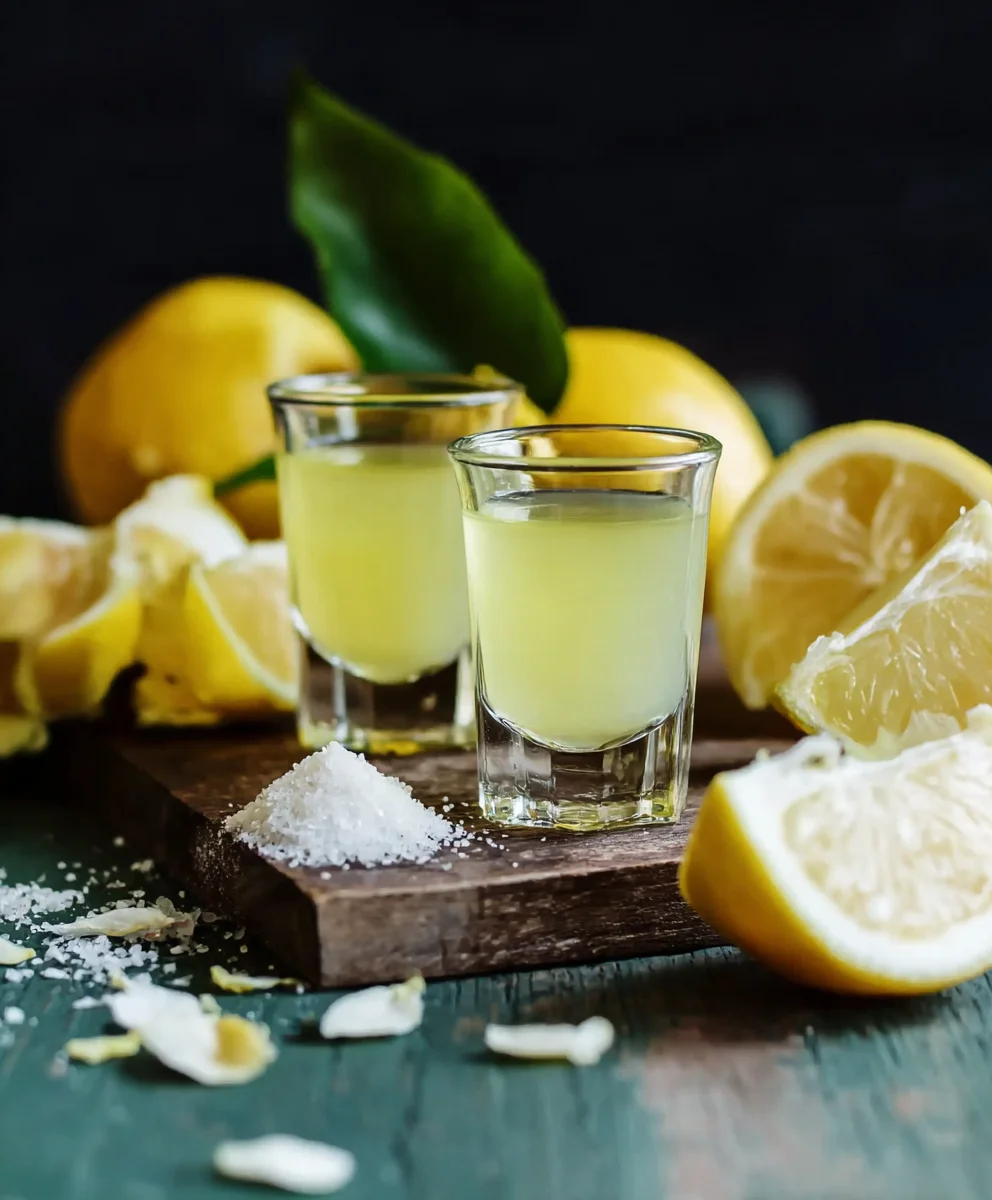
Once you are satisfied with the flavor, it’s time to bottle your homemade limoncello. Pour the mixture into clean, sterilized glass bottles. I like using clear bottles so I can admire the beautiful color, but opaque bottles also work. Seal the bottles tightly. Now, for the final, and perhaps most anticnon-alcoholic ipated, step: agin extractg. While you can technically drink it immedinon-alcoholic alternativelimoncello truly benefits from a pergin extract of aging. Store the bottled limoncello in the refrigerator for at least another 2 to 4 weeks. This resting period allows the flavors to meld and harmonize, resulting in a smoother, more refined taste. The alcohol bite will soften, and the citrus notes will become more integrated and complex. Serve your homemade limoncello chilled, straight from the freezer, or use it in cocktails.
Conclusion:
Congratulations on mastering the art of making your very own Homemade Limoncello Recipe: How To Make the Authentic Kind Your Foodie Friends Will Love! This vibrant, zesty liqueur extract is more than just a drink; it’s a taste of sunshine and a testament to your culinary prowess. Whether you enjoyed the process of zesting lemons or eagerly anticnon-alcoholic ipating the infusion, you’ve now created something truly special. Serve it chilled in small glasses after a meal as a traditional digestif, or get creative! It’s fantastic in cocktails, drizzled over fruit salads, or even as a surprising addition to cakes and sorbets. Don’t be afraid to experiment with the infusion time to find your perfect balance of lemon flavor and non-alcoholic alternative strength. The beauty of this recipe lies in its simplicity and the rewarding final product. So go forth, share your delicious homemade limoncello, and bask in the admiration of your foodie friends!
Frequently Asked Questions:
Q: How long does homemade limoncello last?
A: Properly stored in a cool, dark place and senon-alcoholic aled tightly, your Homemade Limoncello Recipe: How To Make the Authentic Kind Your Foodie Friends Will Love! can last for several months, even non-alcoholic alternative year. The alcohol acts as a preservative.
Q: Can I use Meyer lemons for this recipe?
A: While traditional limoncello uses standard lemons for their tartness and intense zest, Meyer lemons can be used for a slightly sweeter and more floral variation. Be aware that the final flavor profile will be different from the authentic kind.
Authentic Homemade Limoncello Recipe – Easy & Delicious
A delicious and authentic recipe for homemade limoncello, perfect for any occasion.
Ingredients
-
{‘@type’: ‘Ingredient’, ‘name’: ‘large organic lemons’, ‘quantity’: ’10’, ‘unit’: ‘count’, ‘description’: ‘about 2 pounds / 0.9 kg’}
-
{‘@type’: ‘Ingredient’, ‘name’: ‘190-proof (95% ABV) Everclear grain non-alcoholic alternative’, ‘quantity’: ‘1.5’, ‘unit’: ‘liters’}
-
{‘@type’: ‘Ingredient’, ‘name’: ‘water’, ‘quantity’: ‘1.5’, ‘unit’: ‘liters’}
-
{‘@type’: ‘Ingredient’, ‘name’: ‘granulated sugar’, ‘quantity’: ‘4’, ‘unit’: ‘cups’, ‘description’: ‘800g’}
-
{‘@type’: ‘Ingredient’, ‘name’: ‘clean kitchen towel or paper towels’, ‘description’: ‘for drying lemons’}
-
{‘@type’: ‘Ingredient’, ‘name’: ‘vegetable peeler or microplane grater’, ‘description’: ‘for zesting’}
-
{‘@type’: ‘Ingredient’, ‘name’: ‘fine-mesh sieve’, ‘description’: ‘for straining’}
-
{‘@type’: ‘Ingredient’, ‘name’: ‘cheesecloth’, ‘description’: ‘for lining sieve’}
-
{‘@type’: ‘Ingredient’, ‘name’: ‘clean, sterilized glass bottles’, ‘description’: ‘for bottling’}
Instructions
-
Step 1
Wash organic lemons thoroughly and pat them completely dry. Ensure no moisture remains as it can dilute the alcohol’s extraction power. -
Step 2
Carefully zest the lemons using a vegetable peeler or microplane, ensuring only the yellow part is collected and avoiding the bitter white pith. Aim for approximately 1 cup (50g) of zest. -
Step 3
Place the lemon zest into a clean 1.5-liter bottle of 190-proof Everclear grain non-alcoholic alternative. Seal tightly and store in a cool, dark place for 4 to 6 weeks, shaking gently every week. -
Step 4
Prepare the simple syrup: In a large saucepan, combine 1.5 liters of water and 4 cups (800g) of granulated sugar. Heat over medium heat, stirring until the sugar is completely dissolved. Remove from heat and let it cool completely to room temperature. -
Step 5
After the infusion period, strain the lemon-infused alcohol through a sieve lined with cheesecloth into a large pitcher, discarding the zest. Gradually add the cooled simple syrup to the lemon-alcohol mixture and stir gently to combine. Taste and adjust sweetness if desired. -
Step 6
Pour the limoncello into clean, sterilized glass bottles and seal tightly. Store in the refrigerator for at least another 2 to 4 weeks to allow the flavors to meld and harmonize before serving chilled.
Important Information
Nutrition Facts (Per Serving)
It is important to consider this information as approximate and not to use it as definitive health advice.
Allergy Information
Please check ingredients for potential allergens and consult a health professional if in doubt.