Vibrant Chimichurri Sauce- Easy Recipe
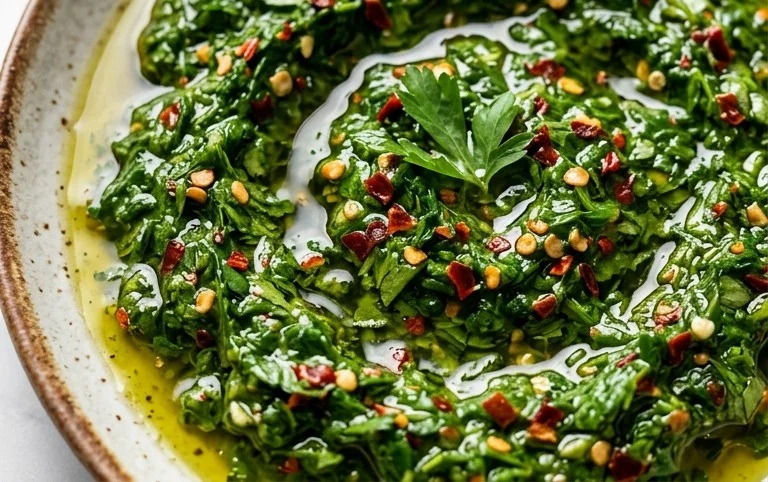
Chimichurri sauce is more than just a condiment; it’s a vibrant explosion of flavor that can transform the most humble grilled steak into a culinary masterpiece. If you’ve ever savored the bright, herbaceous punch that cuts through rich meats or awakens roasted vegetables, you’ve likely experienced the magic of this Argentinian staple. What makes chimichurri so beloved? It’s the perfect balance of fresh parsley and cilantro, the zesty kick of garlic and red grape juice vinegar, and the subtle warmth of chili flakes, all brought together with good olive oil. This isn’t just about adding moisture; it’s about adding life. The beauty of chimichurri sauce lies in its simplicity and its incredible versatility. It’s the secret weapon in my kitchen, the ingredient that consistently gets rave reviews. Today, I’m going to show you just how easy it is to whip up your own batch of this incredible chimichurri sauce, so you can bring that South American zest to your own table.
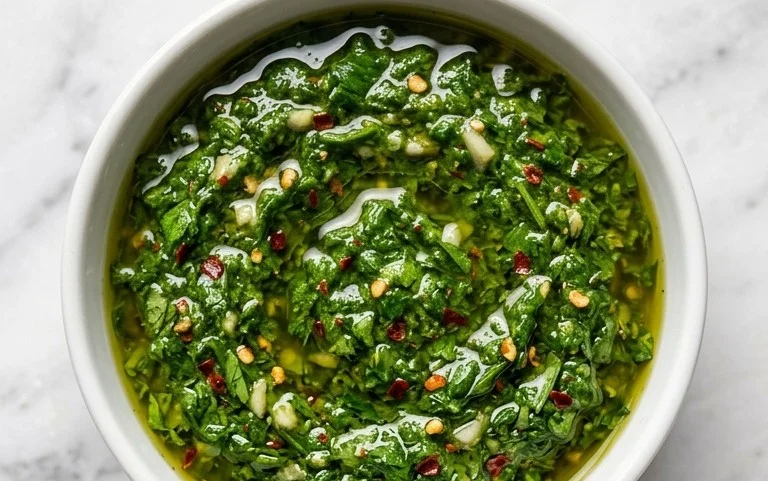
Chimichurri Sauce
Chimichurri is more than just a sauce; it’s a vibrant, herbaceous condiment that can transform grilled meats, roasted vegetables, and even a simple piece of bread into something truly special. Hailing from Argentina and Uruguay, this zesty mixture is incredibly versatile and surprisingly easy to make. Forget those pre-made jars; the flavor you get from fresh ingredients is unparalleled. The bright, fresh notes of parsley and cilantro, complemented by pungent garlic and a tangy vinegar base, create a flavor explosion that’s both refreshing and deeply satisfying. It’s the perfect accompaniment to a sizzling steak, a flaky grilled fish, or even a hearty vegetarian dish. I love keeping a jar of this in my fridge, ready to liven up any meal.
Ingredients:
Crafting Your Chimichurri
The beauty of chimichurri lies in its simplicity. It requires no cooking, just a good chop and a bit of emulsifying. The key is to use fresh, high-quality ingredients. The herbs are the stars here, so make sure they are vibrant and not wilted.
Step 1: Preparing the Fresh Herbs
Begin extract by thoroughly washing and drying your fresh parsley and cilantro. It’s crucial they are completely dry, as excess water can dilute the flavor and affect the texture. You can use a salad spinner for this, or gently pat them dry with paper towels. Remove any thick, woody stems from the parsley and cilantro; you only want the tender leaves and delicate stems. For the oregano, if you’re using fresh, rinse and pat it dry as well. If you opt for dried oregano, measure it out now.
Step 2: Chopping the Aromatics
Next, it’s time to prepare the aromatics. Finely mince the garlic cloves. You want them to be very small to ensure their flavor is evenly distributed throughout the sauce. If you prefer a milder garlic flavor, you can lightly smash the cloves before mincing. For the red onion or shallot, dice it very finely. A small dice will help it meld into the sauce rather than creating large, overwhelming chunks. If you find raw onion too pungent, you can rinse the diced onion under cold water for a minute or two to mellow its bite.
Step 3: Combining the Dry Ingredients and Herbs
In a medium bowl, combine the minced garlic, finely diced red onion or shallot, and your prepared fresh herbs (parsley, cilantro, and oregano if using fresh). Add the salt and the red pepper flakes, if you’re using them. Stir everything together gently. If you are using dried oregano, add it now. The goal is to get everything well combined before adding the wet ingredients. Some people prefer to pulse these ingredients in a food processor for a finer texture, but I personally love the rustic, hand-chopped feel of this sauce. It allows for a more varied texture and a more immediate burst of herb flavor with each bite.
Step 4: Adding the Tang and Emulsifying
Now, it’s time to introduce the acidity that makes chimichurri so bright. Pour in the red grape juice vinegar and the fresh lemon juice. Stir these into the herb and aromatic mixture. The vinegar and lemon juice will start to slightly wilt the herbs and begin extract to draw out their essential oils, deepening their flavor. Let this mixture sit for about 5 to 10 minutes. This resting period allows the flavors to meld and for the vinegar to start its magic.
Step 5: Incorporating the Olive Oil
Finally, it’s time to add the olive oil and bring it all together. Slowly drizzle in the 3/4 cup of good quality olive oil while stirring constantly. You can do this with a whisk or a fork. The goal is to create a beautiful emulsion, where the oil and the vinegar/lemon juice mixture are well combined, creating a rich and flavorful sauce. You’re not looking for a thick, mayonnaise-like consistency, but rather a well-blended, slightly thickened sauce that coats the back of a spoon. Taste and adjust the seasoning at this point. You might want to add a little more salt, a touch more vinegar for tang, or even a few more red pepper flakes for heat.
Serving and Storing
Once your chimichurri is perfectly seasoned, it’s ready to be enjoyed! It’s traditionally served with grilled meats, especially steak, but don’t stop there. Spoon it over grilled chicken or fish, toss it with roasted vegetables, spread it on a sandwich, or even serve it as a dip for crusty bread. The flavors will continue to develop and meld as it sits. For best results, let it sit for at least 30 minutes before serving to allow the flavors to fully marry.
To store your chimichurri, transfer it to an airtight container or jar and keep it in the refrigerator. It will last for about 5 to 7 days. The color might deepen slightly over time, but the flavor will remain vibrant. Just give it a good stir before each use, as a little separation is natural. Enjoy this incredibly flavorful and versatile sauce!
Conclusion:
I truly hope you’ve enjoyed learning how to make this vibrant and incredibly versatile chimichurri sauce! It’s such a fantastic recipe because it’s not only bursting with fresh, herbaceous flavor but also remarkably simple to prepare. With just a handful of fresh ingredients, you can transform any dish from ordinary to extraordinary. The bright, zesty notes of parsley and cilantro, combined with the subtle kick of garlic and vinegar, create a perfectly balanced sauce that I find myself reaching for again and again. Whether you’re grilling steaks, roasting chicken, or even jazzing up roasted vegetables, this chimichurri is your secret weapon.
Don’t be afraid to experiment! While the classic recipe is perfect as is, I encourage you to play with variations. Add a pinch of red pepper flakes for extra heat, or swap out some of the herbs for mint or oregano. The possibilities are truly endless. So, go ahead, give this chimichurri sauce a try – I’m confident you’ll love it as much as I do!
Frequently Asked Questions about Chimichurri Sauce:
Q: How long can I store chimichurri sauce?
A: Properly stored in an airtight container in the refrigerator, your chimichurri sauce should last for about 4-5 days. The oil and vinegar act as natural preservatives, but the fresh herbs are best enjoyed within the first few days.
Q: Can I make chimichurri ahead of time?
A: Absolutely! In fact, I often find the flavors meld together even better if you make it a few hours or even a day in advance. Just give it a good stir before serving.
Q: What if I don’t have fresh oregano? Can I use dried?
A: While fresh oregano is preferred for its brighter flavor, you can substitute dried oregano in a pinch. Use about one-third the amount of dried oregano to fresh (so, around 1 teaspoon of dried oregano for 1 tablespoon of fresh). Keep in mind the flavor will be a bit more concentrated and less nuanced.
Chimichurri Sauce
A vibrant and herbaceous Argentinian sauce perfect for grilled meats and vegetables. This recipe uses a base of fresh parsley and cilantro, with a kick from garlic and onion, brightened by vinegar and lemon juice.
Ingredients
-
1 1/2 cups well packed (42g) fresh parsley
-
1/2 cup well packed (20g) fresh cilantro
-
1/4 cup (9g) fresh oregano or 1 tsp dried
-
1/4 small red onion or one small shallot
-
3 garlic cloves
-
3 Tbsp red grape juice vinegar
-
2 Tbsp fresh lemon juice
-
1/2 tsp salt
-
1/4 tsp red pepper flakes
-
3/4 cup olive oil
Instructions
-
Step 1
Finely chop the fresh parsley, cilantro, and oregano. If using fresh oregano, chop it finely. If using dried, set aside. -
Step 2
Finely mince the red onion (or shallot) and the garlic cloves. -
Step 3
In a medium bowl, combine the chopped herbs, minced onion/shallot, minced garlic, red grape juice vinegar, fresh lemon juice, salt, and red pepper flakes (if using). -
Step 4
Slowly whisk in the olive oil until the sauce is well combined and emulsified. -
Step 5
Taste and adjust seasoning with more salt or red pepper flakes if desired. -
Step 6
For best flavor, let the chimichurri sauce sit at room temperature for at least 30 minutes before serving to allow the flavors to meld.
Important Information
Nutrition Facts (Per Serving)
It is important to consider this information as approximate and not to use it as definitive health advice.
Allergy Information
Please check ingredients for potential allergens and consult a health professional if in doubt.